
The business of manufacturing investment castings involves a working knowledge of a wide range of alloys which our customers require in order to produce their products over a wide range of applications.
While the most significant tonnage of alloys cast would be considered “standard” alloys such as carbon steel, alloy steel, stainless steel, and some nickel-based alloys such as Inconel, Hastelloy, and Monel, there also remains the need for alloys which are designed to outperform these standard alloys when exceptional strength and corrosion resistance is required. These alloys are highly specialized for those kinds of applications and are classified as “Super alloys”.
The Defining Characteristics of Superalloys
Super alloys are a group of metals that offer better creep, oxidation and corrosion resistance than traditional alloys, whilst retaining excellent mechanical properties, even at high temperatures. In a sense, they act as high-performance alloys.
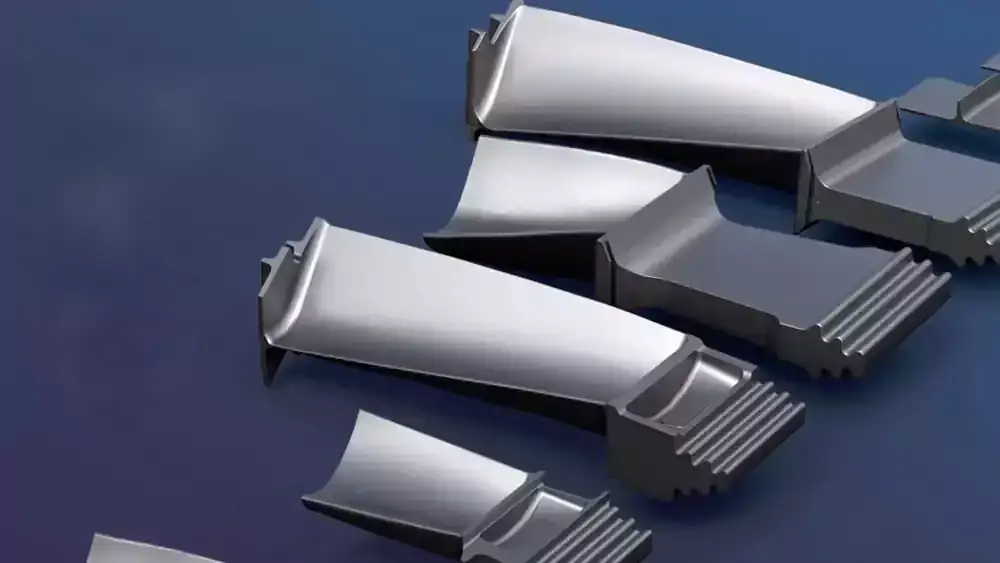
Commonly used in the aerospace industry for components in gas turbine engines, superalloys use a base of nickel, cobalt or iron to offer far superior properties versus traditional alloys of steel or aluminum.
Super alloys are therefore high-performance metallic materials which display excellent resistance to mechanical and chemical attack, even at temperatures close to their melting point.
Nickel-base superalloys are generally used for achieving excellent strength at high temperatures. Many metals lose strength as they are heated; however, nickel-base superalloys retain their strength better than most alternative alloys. To cast a super alloy properly, the melting must be carried out under vacuum to avoid the formation of impurities such as oxides and nitrides, which would reduce its strength at high temperatures.
Superalloys also offer enhanced corrosion resistance. Corrosion resistance depends on a metal’s inherent ability to withstand adverse reactions with its environment. Nickel is inherently less reactive than metals like iron, so it is relatively stable.
How Are Superalloys Made?
The family of metals known as super alloys are generally available in a number of forms, including wrought bar, forgings, and, of course, castings.
Depending on the content of the alloy, the metal can either be melted in a standard “air” environment, while in other cases, the metal must be melted in a vacuum to prevent reaction of the metal alloy with oxygen, nitrogen, hydrogen, or the oxides typically used to produce melting furnace refractories and crucibles.
Just like any other alloy, super alloys are generally designated by specific proprietary names or specifications under common industry standards like ASTM or ASME. These specifications detail the minimum and maximum range of alloying elements in the alloy, which impart the specific properties of the metal alloy.
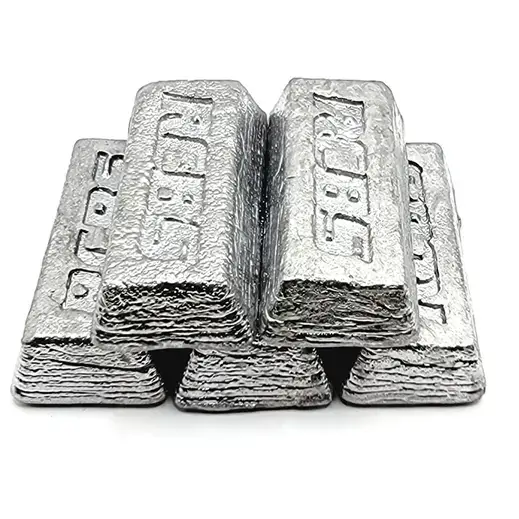
Most of these metals are ordered “pre-alloyed” and shipped to the foundry in ready-to-melt ingot form for fast melting, minimizing the time of exposure to the environment. Again, since some of the elements in a super alloy, such as chromium and titanium, react quickly with oxygen and other elements in the environment, vacuum melting these alloys preserves the content of reactive elements in the alloy and prevents oxidation losses and inclusions.
What Are Superalloys Made For? Superalloys Applications
The use of superalloys is widespread. While the materials themselves are often used in relatively small amounts, they can achieve large improvements in efficiency and strength of a component.
-
Aerospace
-
Nuclear power generation
-
Chemical processing
-
Heat treating
-
Automotive
-
Medical
Probably the most well known and well documented use of nickel-based superalloys is in turbine engines. The high temperature strength and creep resistance of the material has revolutionized the aerospace industry, providing incredible efficiency gains in both commercial and passenger flight.
There are multiple other applications of a similar nature to turbine blades, where creep and oxidation resistance is a must. These include automotive turbocharger turbines, power plant steam turbines and more.
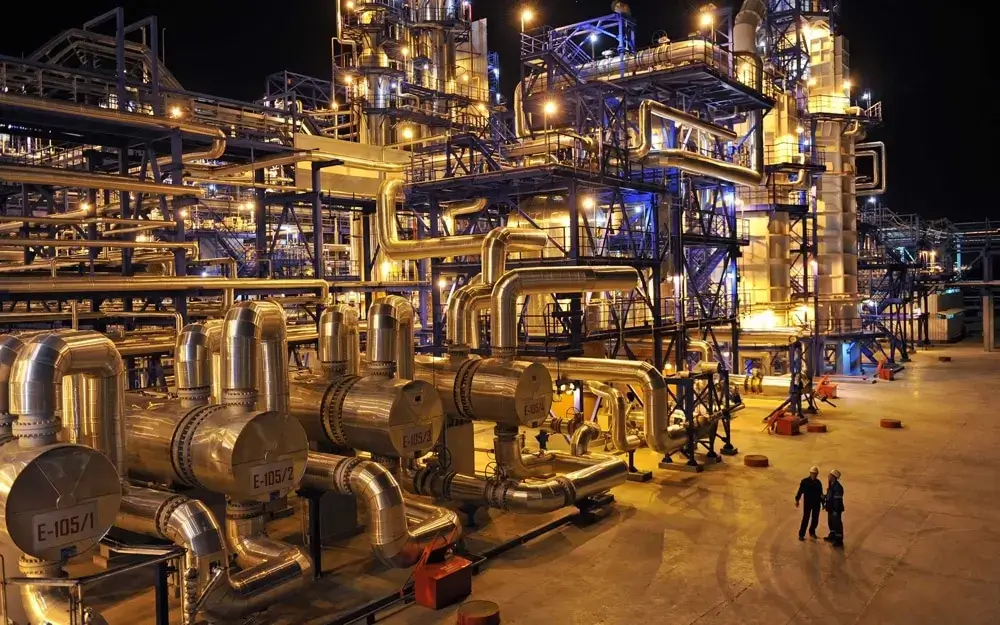
Superalloys are used in static components too, with many processing systems utilizing their high strength and corrosion resistance for valves, vessels, bolts and ducting. These environments are often places where stainless steel would traditionally be used.
Are Superalloys Expensive or Inexpensive? How They Compare to Standard Alloys
Niagara Investment Castings produces castings in a wide range of alloys. Superalloys consist of alloys which contain various quantities of rare elements, including molybdenum, chromium, niobium, tungsten, cobalt, titanium, and aluminum. The base constituent of the alloy can be iron, nickel, or cobalt.
Due to the presence of these rare elements, the costs for superalloys are generally always higher than more simple alloy steels commonly used in industry today, including the commonly used 300 and 400 series stainless steels. However, the usefulness of the alloy in specific applications where high strength at high temperature is required, far outweighs the cost differences between regular alloys and superalloys.
Types of Superalloys
There are primarily THREE categories of superalloys. Those are nickel based, cobalt based, and iron based.
Nickel-based superalloys
Mechanical/chemical properties:
-
High thermal resistance
-
Strong corrosion resistance
-
High strength
Workability:
-
Good machinability
-
Weldability in some cases
-
Shape memory
-
Low thermal expansion
Cobalt-based superalloys
Mechanical/chemical properties:
-
Superior thermal resistance than nickel-based alloys
-
Higher hot corrosion resistance compared to both nickel and iron alloys
-
Greater thermal fatigue resistance at elevated temperatures
Workability:
-
Better weldability
-
Poor machinability in some alloys
Iron-based superalloys
Mechanical/chemical properties:
-
Low strength in high temperatures compared to nickel-based alloys
-
Excellent wear resistance compared to nickel
-
Good creep resistance
Workability:
-
Generally better weldability
-
Good machinability
Superalloy Investment Casting
The family of superalloys that can be supplied as investment castings is extensive. Investment casting is an excellent means of forming a metal component in a “near net shape” geometry, minimizing material losses in machining. Internal detail can be cast in easily through coring methods unique to the investment casting process
Examples of investment cast superalloys are some versions of Hastelloy, some versions of Inconel, Waspaloy, IN-100, Rene alloys, Incoloy, MP98T, TMS alloys, titanium alloys, and CMSX single crystal alloys.
In addition to these alloys, many clients will develop their own specific grades of superalloys, setting the stage for a competitive showdown of who can produce an alloy suited for any number of specific markets and applications where the best heat resistance, corrosion resistance, and creep resistance mean the difference between sustainable production versus unplanned downtime in todays harshest processing plants.
Interested in casting superalloys to create your component? Choose Niagara Investment Castings
Manufacturing today requires resourceful out-of-the-box thinking to stay competitive in a global market. This mindset drives the skilled team at Niagara Investment Castings to be the best at what we offer our clients. We are excited to work with you on all your super alloy requirements and to demonstrate that investing in YOUR components through investment casting is a smart move today and into the future.
We are here to help for any support in getting you started with the right investment castings in the metal alloys for your particular application. Please simply contact us here to start the discussion !!