
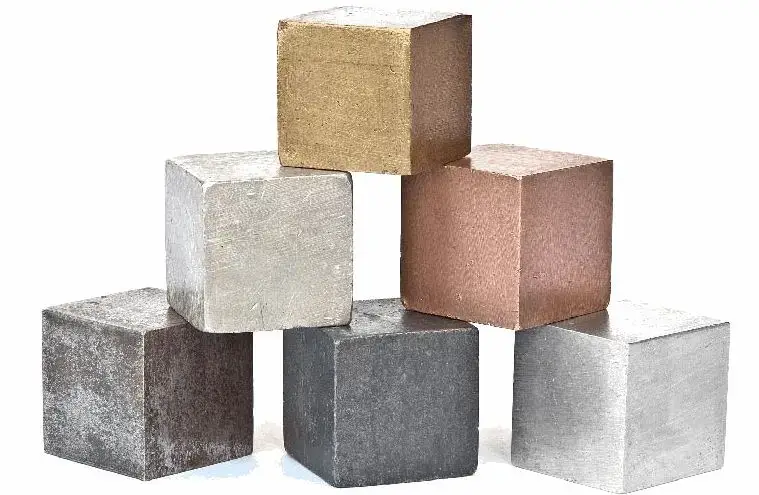
One of the most distinctive classifications of metal alloys is that today’s most widely used metals can be divided into two categories: ferrous and non-ferrous alloys. Both categories of metals comprise a multitude of alloys, with both similarities and many differences, all of which can be successfully investment cast into highly practical, cost-effective components. But what’s the difference between each type of alloy? Let’s delve into each alloy type, its strengths, and what applications they’re used for.
What are Ferrous Metals?
For the most part, the simplest of definitions of what makes a metal alloy “ferrous” is that it is alloyed from a base of iron. While some non-ferrous alloys do contain small amounts of iron, a ferrous-based alloy is always designated to have at least 30% or more iron in its makeup.
The most common ferrous alloys in use today are a wide range of steels, stainless steels, and cast irons.
Ferrous versus Non-Ferrous Metals
Non-ferrous metal alloys are the opposite of ferrous-based, and in the simplest of explanations, are any alloys that are not based in iron.
Examples of these alloys include copper-based alloys such as brasses and bronzes, cobalt-based alloys, aluminum alloys, nickel alloys, titanium-based alloys, and a wide range of low-melting-point alloys such as tin, lead, gold, and silver.
Advantages of Ferrous Metal Castings
Ferrous alloys have the advantage of generally being stronger, more durable, more responsive to heat treatment, and in some cases, are magnetic, when compared to non-ferrous alloys. The strength of steel for example renders it most suitable for structural applications where non-ferrous alloys would never be suitable.
Steel Alloys
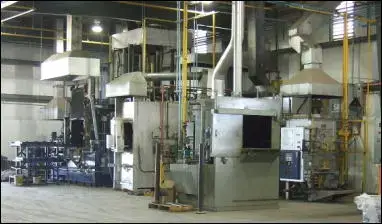
Steel alloys generally contain low amounts of expensive alloying elements, meaning that these steels can be used in many, many applications at an exceptionally low cost compared to high alloy steels and most non-ferrous alloys.
However, there are other families of steel that do utilize higher amounts of alloying elements for specialized applications, such as high-tensile-strength steel, alloyed irons, and tool steels that use rare-earth elements such as vanadium, tungsten, and cobalt. The greatest tonnage of all of the high alloy steels produced are stainless steels.
The ability to make steel “stainless” is a critically important characteristic of ferrous based alloys. The addition of a minimum of 12% chromium will render a steel stainless. The combination of specific carbon levels, along with varying amounts of other alloying elements including nickel, molybdenum, manganese, and silicon, form the basis for the incredibly useful and versatile family of stainless steels used today.
Cast Iron Alloys
Finally, it would be remiss not to point out the many tons of cast products that are produced every year under the classification of “cast iron”. This family of alloys is highly versatile and inexpensive, consisting of ferrous castings including gray iron, ductile iron, malleable iron, alloyed iron, and white iron.
Many cast irons are generally regarded as too brittle for applications where the strength of steel is required; other cast irons can be made stronger, tougher, and just as corrosion-resistant as many steels, at a much lower cost. Cast iron is everywhere around us, including cookware, most engines, machinery bases and structures, tools and hardware, and cast iron pipes.
Advantages of Non-Ferrous Metal Castings
The advantages of non-ferrous alloys are wide-ranging and depend on the base metal of the alloy for their inherent properties and advantages over ferrous-based alloys.
Aluminum
Of particular importance to the manufacturing industry, aluminum has a significant advantage over ferrous alloys due to its light weight, finding applications in many industries where that is a key factor. The greatest usage of these aluminum alloys is in the aerospace industry.
Titanium
Titanium is another lightweight non-ferrous alloy that finds many applications in aerospace due to its strength-to-weight ratio. Titanium is a highly reactive element and therefore requires vacuum melting and pouring to produce castings in this highly versatile metal.
Copper-Based Alloys
Another significant group of non-ferrous alloys are the copper based brass and bronze alloys, with a key advantage of these non-ferrous alloys is their conductivity or electricity and heat, making those alloys highly suitable for electrical and plumbing applications.
Nickel-Based Alloys
Finally, another critically important non-ferrous alloy family includes castings made from nickel-based alloys, including the commonly sourced Hastelloys, Inconels, Monels, and many other lesser-known “super-alloys”. These nickel-based alloys are well known for their combination of superior corrosion resistance and high temperature strength.

Choose Niagara Investment Castings for Your Investment Casting Requirements
Manufacturing high-quality investment castings requires an excellent working knowledge of the strengths and weaknesses of the diverse families of ferrous and non-ferrous metal alloys that we can offer our clients.
With a broad portfolio of alloy expertise, we help our customers demonstrate the superior ROI of investment casting. Whether you are seeking enhanced durability or precision engineering, we offer the end-to-end support needed to get your project off the ground.
Ready to get started? Contact our team today for a free consultation.
